
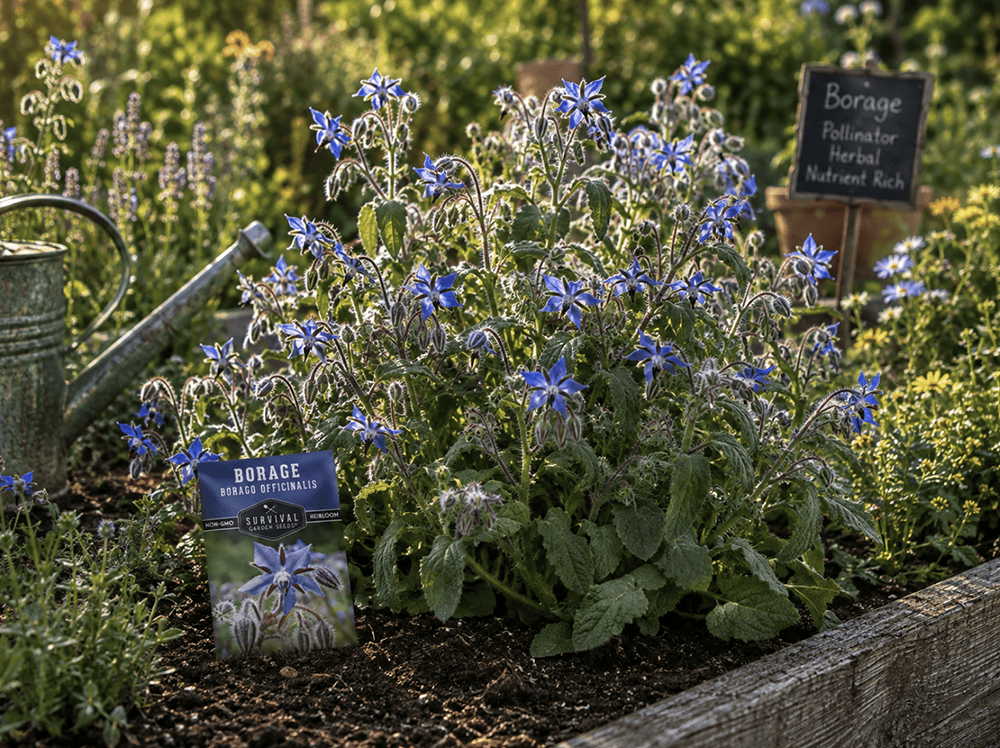
Borage: The Garden Plant That Gives Back All Season Long
Walk through a thriving summer garden, and you’ll probably notice rows of vegetables, colorful flowers, and a handful of familiar herbs. While those plants deserve their popularity, some of the most rewarding additions are the ones many gardeners have never tried before. Borage is one of those hidden gems that quietly earns its place year after year.
Although it isn’t always the first plant people think to grow, borage has become a favorite among gardeners who appreciate beauty, diversity, and a lively garden filled with beneficial insects. Its cheerful blue flowers, fast growth, and ability to blend into many different garden styles make it a plant that’s easy to admire once you get to know it.
Why More Gardeners Are Discovering Borage
Gardening is often about trying something new while still relying on trusted favorites. Adding one unfamiliar plant each season keeps the experience exciting and often leads to pleasant surprises.
Borage has become one of those discoveries because it offers far more than its modest reputation might suggest.
A Plant That Brings Life to the Garden
Some plants produce a harvest, while others simply make the garden feel more vibrant. Borage manages to do both by filling spaces with colorful blooms and constant activity.
Its bright blue flowers quickly become gathering spots for bees and other beneficial insects. Watching the garden come alive around the plant adds another level of enjoyment throughout the growing season.
An Easy Choice for Curious Gardeners
Many gardeners enjoy experimenting with plants they have never grown before. Trying something different helps expand gardening knowledge while making each season feel unique.
Borage is an excellent introduction to less common garden plants. It grows quickly, stands out visually, and often leaves first-time growers wondering why they had never planted it before.
A Heritage Plant Worth Remembering
Like many traditional garden plants, borage has a long history of cultivation. It has appeared in home gardens for generations because people appreciated both its appearance and its usefulness.
Growing plants with deep roots in gardening history creates a connection between modern gardens and those of the past. It also reminds us that many wonderful plants simply deserve another chance to shine.
As interest in heritage gardening continues to grow, plants like borage are finding new audiences. Gardeners are discovering that older varieties often bring qualities that remain just as valuable today, including beauty, versatility, and dependable garden performance.
What Makes Borage Stand Out?
Every garden contains plants with different strengths. Some are grown mainly for food, while others contribute beauty or attract wildlife.
Borage is special because it naturally supports several parts of the garden at once.
Beautiful Flowers From Early Summer Onward
One of the first things gardeners notice about borage is its striking star-shaped blue flowers. Their color stands out against surrounding green foliage and creates an eye-catching display.
The blooms continue appearing over an extended period, giving the garden fresh color long after many spring flowers have finished blooming.
A Favorite of Pollinators
Few garden plants become as busy with pollinators as borage. Bees, butterflies, and other beneficial insects regularly visit the flowers throughout the day.
These visitors add movement and energy to the garden. Many gardeners enjoy simply watching the constant activity while spending time outdoors.
A Plant Full of Personality
Some plants quietly blend into the background, while others naturally draw attention. Borage belongs to the second group because its flowers, fuzzy stems, and relaxed growth habit give it a unique personality.
That distinctive appearance helps create gardens that feel more natural and welcoming rather than overly formal.
Finding the Right Place for Borage
One reason borage has remained popular for generations is its versatility. It fits comfortably into many different types of gardens without demanding special treatment.
Whether your space is large or small, there are plenty of ways to include this cheerful plant.
Blending Into Vegetable Gardens
Vegetable gardens benefit from plants that contribute more than a harvest alone. Borage adds color and attracts pollinators while growing comfortably alongside many common vegetables.
Its flowers create welcome contrast among leafy greens and fruiting crops. The result is a vegetable garden that feels both productive and lively.
Brightening Flower Borders
Borage fits naturally among ornamental flowers thanks to its long-lasting blooms and informal appearance. It softens planting beds while adding fresh color throughout the season.
The rich blue flowers pair beautifully with white, yellow, pink, and purple blooms. This flexibility makes it easy to include in almost any flower garden.
Perfect for Cottage Gardens
Cottage gardens celebrate abundance, variety, and relaxed planting styles. Borage blends effortlessly into this classic garden design.
Its informal growth habit allows it to mingle naturally with herbs, vegetables, and flowering perennials. The result is a landscape that feels welcoming and full of life.
The Small Details That Make Borage Special
Some of the best garden plants become favorites because of the little things gardeners notice over time. Borage offers many of these pleasant surprises as the growing season unfolds.
The more time people spend around it, the more reasons they find to appreciate it.
Fast Growth Keeps Things Interesting
Watching plants grow quickly is one of the most satisfying parts of gardening. Borage often establishes itself rapidly once the weather warms.
This steady progress gives gardeners visible results throughout the season. Beginners especially enjoy seeing how quickly the plant transforms from a small seedling into a flowering centerpiece.
Continuous Seasonal Interest
Many flowering plants produce one impressive display before slowing down. Borage continues offering fresh blooms for an extended period.
This dependable performance keeps planting beds looking lively and colorful. Even late in summer, the plant continues contributing to the overall beauty of the garden.
Always Something New to Notice
Borage changes as it grows, producing fresh buds, open flowers, and developing seed heads all at the same time. This gives gardeners something interesting to observe whenever they visit the garden.
Small seasonal changes make gardening feel more rewarding. The experience becomes about more than harvests alone.
Why Garden Diversity Matters
Gardens filled with a variety of plants often feel healthier, more interesting, and more enjoyable to maintain. Different species contribute different strengths throughout the growing season.
Adding plants like borage increases both beauty and diversity while introducing something a little unexpected.
Every Plant Plays a Different Role
Some plants produce food, others attract pollinators, and many simply create visual balance. Together, these different roles help create a thriving garden.
Borage contributes in several ways at once. It brings colorful flowers, attracts beneficial insects, and adds another layer of texture to the landscape.
Encouraging a More Active Garden
One of the greatest pleasures of gardening is watching nature become part of the landscape. Birds, butterflies, bees, and other helpful insects all contribute to a healthy outdoor space.
Borage encourages much of that activity simply by being part of the garden. The result is a space that feels alive from morning until evening.
A lively garden often feels healthier and more enjoyable to spend time in. Seeing pollinators move from flower to flower reminds gardeners that every plant contributes to the larger picture, making the entire growing space feel more connected.
Discovering New Garden Favorites
Every gardener remembers the first time they grew a plant that exceeded expectations. Those discoveries often become permanent additions to future gardens.
Borage has earned that reputation for many growers. What begins as curiosity frequently turns into a tradition that continues season after season.
Interesting Facts About Borage
Many people know very little about borage before planting it for the first time. Learning a few interesting details helps explain why it has remained a popular garden plant for centuries.
Its combination of beauty and usefulness continues to attract new gardeners every year.
It Has Been Grown for Generations
Borage has a long history in home gardens across many parts of the world. Gardeners valued it for generations because it added beauty while fitting naturally into productive landscapes.
That history reminds us that many traditional plants remain just as enjoyable today as they were hundreds of years ago.
Its Flowers Are Easy to Recognize
Few garden flowers look quite like borage. Their bright blue, star-shaped blooms make them instantly recognizable even from across the garden.
That unique appearance helps create memorable planting beds. Visitors often notice the flowers before they recognize the plant itself.
It Leaves a Lasting Impression
Many gardeners plant borage simply because they have heard good things about it. By the end of the season, they often have their own reasons for growing it again.
Its cheerful flowers, busy pollinators, and relaxed beauty make it one of those plants that quietly becomes part of the garden year after year.
Why Borage Continues to Win Over Gardeners
Not every garden favorite is a household name. Some plants earn their reputation slowly through dependable performance, lasting beauty, and the simple pleasure they bring throughout the growing season. Borage is one of those plants that rewards gardeners in more ways than they expect.
Whether it is brightening flower beds, adding color to vegetable gardens, or filling the landscape with pollinators, borage contributes something valuable wherever it grows. Its combination of charm, versatility, and natural beauty explains why so many gardeners who plant it once find themselves making room for it again the following season.