
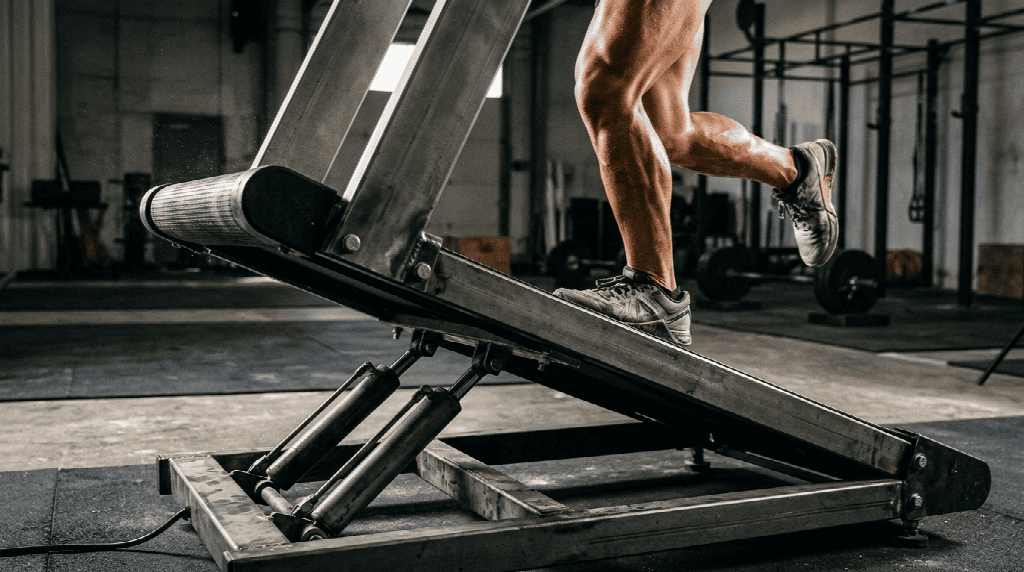
Why Incline Training on a Treadmill Burns More Calories
Key Highlights
- Incline walking raises the metabolic cost of a treadmill workout, so your body works harder at the same walking pace.
- A higher heart rate often means more calorie burn, even without switching to a run.
- Incline training can support fat loss by helping you build a bigger calorie deficit over time.
- It also challenges the lower body and improves cardiovascular fitness.
- The best incline depends on your fitness level, comfort, and training goals.
- Gradual progress matters more than choosing the steepest treadmill grade.
Introduction
Want more from your treadmill without always running faster? Incline walking is one of the simplest ways to increase calorie burn during a treadmill workout. It makes the session feel more productive, keeps your heart rate up, and can support weight loss goals. The key is knowing why it works and how to use incline training well.
Understanding Calorie Burn on a Treadmill
Calorie burn on a treadmill changes with speed, incline, and the amount of time you stay moving. Even a small change in walking pace or treadmill grade can raise calorie expenditure.
On an incline, the metabolic cost goes up because the workout becomes more demanding than level walking. That is why incline treadmill training often burns more than a flat surface session at the same speed.
The Basics of How Your Body Burns Calories While Walking or Running
Your body burns calories whenever it moves. On a treadmill, calorie burn depends on your weight, walking speed, and workout intensity.
Walking or running uphill forces your lower body to work harder, raising the metabolic cost. This means you burn more calories than walking on a flat surface.
For example, during a steady 20-minute walk, adding an incline increases the workload without adding time, leading to higher calorie burn.
The Role of Intensity in Treadmill Workouts
Intensity is what changes an easy walk into a stronger calorie-burning session. On a treadmill, you can raise intensity by increasing speed, incline, or both.
A useful sign is your heart rate response. If your heart rate climbs while you can still move with control, the workout is likely demanding enough to increase calorie burn without turning into an all-out effort.
- Low incline suits active recovery and easy aerobic conditioning.
- Moderate intensity often feels sustainable for longer treadmill training.
- Higher incline raises metabolic cost quickly.
- Too much intensity can shorten the session and reduce total calorie expenditure.
The Science Behind Incline Training and Calorie Expenditure

Incline training works because it makes a standard treadmill session more demanding without needing a much faster pace. That extra demand increases calorie expenditure and supports cardiovascular fitness.
You can think of it as adding controlled resistance to walking or running. The body needs more effort, more control, and more energy. That is the simple science behind the higher metabolic cost.
Why an Incline Increases Energy Demand Compared to Flat Surfaces
Incline walking burns more calories than flat ground walking because it increases energy expenditure at the same speed. Your body has to work harder to keep moving on a positive grade.
That is why many people use an incline treadmill for a higher calorie burn without the joint impact of faster running. It can feel tough, but still manageable.
- Flat ground needs less force from the lower body.
- Incline walking increases the metabolic cost of walking.
- A steeper treadmill grade can raise effort fast.
- More effort usually means more calorie burn over the session.
The Impact of Gradient on Heart Rate and Oxygen Usage
As the incline rises, your heart rate usually rises too. That happens because the cardiovascular system must support a harder effort and keep blood flow moving to working muscles.
This is one reason incline treadmill walking can improve cardiovascular fitness. You are not just covering distance. You are asking your body to handle a stronger workload at a controlled pace.
Muscle activation also shifts. Compared with walking flat, incline work places more demand on the lower body and posterior chain. Many people notice this in the glutes, calves, and hip flexors during longer uphill walking sessions.
Comparing Incline Treadmill Walking to Flat Treadmill Running
Many people ask whether an incline treadmill walk can match a steady run. The honest answer is: sometimes, depending on speed, incline, and workout length.
For some users, uphill walking feels more sustainable than running. That matters because a session you can finish well may do more for calorie burn and fat burning than a harder session you stop early.
Which Burns More Calories: Uphill Walk or Steady Run?
There is no single winner for everyone. A steady run may burn more in less time, but uphill walking can come close when the incline is high enough, and the session lasts long enough.
For a practical example, someone who dislikes running may stay on the treadmill longer with incline walking. That can improve total calorie burn across the full workout.
Workout style | What often happens |
Uphill walking | Higher metabolic cost than flat walking, lower impact, easier to sustain for many users |
Steady run | Higher speed, strong calorie burn, but may feel harder to maintain |
Incline walk at moderate intensity | Good balance of heart rate, control, and workout length |
Fast flat run | Efficient, but not ideal for every fitness level or joint comfort |
Differences in Fat Burning and Endurance Benefits
Incline treadmill training can be more effective for weight loss than regular walking when it helps you create a bigger calorie deficit. It is not magic, but it can make the same amount of time work harder for you.
There is also an endurance benefit. Sustained incline walking supports cardiovascular fitness and can help you handle longer sessions with less boredom than level walking.
For body composition, consistency matters most. A person doing four 25-minute incline sessions each week may see better fat loss progress than someone doing occasional flat walks with no structure.
Optimal Incline Levels for Maximum Calorie Burn
The best incline levels are the ones that lift calorie burn without ruining your form or cutting the workout short. Bigger is not always better.
A moderate setting often works well because it increases metabolic cost and calorie expenditure while staying realistic for your fitness level. From here, you can adjust based on training goals and recovery.
Finding the Right Incline Percentage for Your Fitness Level
Start with an incline percentage that feels challenging but steady. You should notice your breathing and heart rate, but still feel in control of the treadmill workout.
If you are newer to treadmill training, a moderate intensity incline is often the smart choice. Many home treadmills, including models with 15, 18, or 20 levels of automatic incline, give you room to build up gradually.
A good test is simple: can you keep the pace for the planned session? If yes, the incline likely fits your fitness level. If not, lower it and aim for better consistency.
Step-by-Step: How to Gradually Increase Your Treadmill Incline
If high incline work feels too hard, do not force it. The safest path is a step-by-step build that matches your training goals and recovery.
This also helps if your pain point is simple: you want more calorie burn, but you do not want extra joint stress or a session that leaves you exhausted for days.
- Begin with short blocks of incline walking during one treadmill workout.
- Keep some sessions at a lower incline for active recovery.
- Increase either the treadmill incline or the time, not both at once.
- Use a stable pace you can repeat each week.
Conclusion
Incline training on a treadmill significantly boosts calorie burn and workout effectiveness. By varying incline levels, you can tailor your routine for better results. Increasing the gradient challenges your body, raising heart rate and oxygen use. Take your treadmill sessions further—add incline training to reach your fitness goals faster. For personalised tips, contact our experts for a free consultation!
Frequently Asked Questions
Does a higher incline on a treadmill always mean more calories burned?
Not always. A higher treadmill grade can raise metabolic cost and heart rate, but if it slows you too much or shortens the workout, total calorie burn may not improve. The best incline treadmill setting is one you can maintain with good form.
Can walking on an incline treadmill help you lose belly fat?
Incline treadmill walking can support fat loss, including belly fat, by helping you build a calorie deficit over time. It will not target one area only, but consistent sessions can improve body composition and support weight loss when done regularly.
What is the safest way to ramp up treadmill incline for beginners?
Beginners should raise treadmill incline slowly and keep some easy sessions for active recovery. Pick a level that suits your fitness level, keeps joint impact manageable, and lets you finish the workout comfortably before increasing the challenge again.