
Exploring The Nusa Islands: The Ultimate Guide
Just off Bali’s southeastern coast sit three smaller islands that have quietly built a reputation among surfers and divers looking for something less crowded than the mainland. Nusa Penida, Nusa Lembongan, and Nusa Ceningan share a short stretch of ocean but each has its own character, from cliff-lined coastlines to sheltered lagoons.
Surfing tends to bring people out first, but many end up staying longer once they realize how much is available beneath the surface, where a local diving center can arrange trips to reefs and channels that aren’t visible from shore. This article walks through what to expect across the three islands, from the waves to the logistics of getting between them.
Island Geography
Nusa Penida is the largest of the three and consists mostly of cliffs and hillsides, while Lembongan and Ceningan are smaller, flatter, and connected to each other by a yellow suspension bridge. Boats from Bali usually arrive at Lembongan first, which makes it the more common base for people splitting time between all three. Because of that shared bridge and easy access, many travelers treat exploring Nusa Lembongan and Nusa Ceningan together as a single stop before continuing on to Penida.
Getting to the Nusa Islands
Fast boats run daily from Sanur to Lembongan, with the crossing usually taking around thirty to forty minutes depending on sea conditions. From there, smaller boats or the bridge connect travelers to Ceningan, while reaching Penida typically means a separate short boat ride. Renting a scooter once on the islands is common, since roads are narrow and public transport is limited.
How Safe is the Trip?
Sea conditions between Bali and the Nusa Islands can shift quickly, and choppier crossings are more common in the afternoon than early morning. Booking an earlier boat tends to make for a smoother ride, particularly for anyone prone to seasickness or carrying surf gear that’s awkward to manage on unstable water.
Here Are The Popular Nusa Islands
Nusa Lembongan
Nusa Lembongan tends to move at a slower pace than the mainland, with a mix of small cafes, seaweed farms, and a shallow lagoon alongside the reef breaks that first put the island on the map for surfers. Nusa Lembongan and Nusa Ceningan sit close enough together that many visitors treat them as one extended stop, connected by a yellow suspension bridge that makes it easy to cross over for an afternoon. Surfing is part of the draw here, but plenty of visitors spend just as much time snorkeling in the lagoon or wandering through the seaweed farming areas near the coast.
Things To Do
A day on Lembongan often ends up split between water time and a slower pace on land, whether that means a surf session in the morning followed by lunch at a beachfront warung, or a swim in the lagoon before wandering through the seaweed farms at low tide. The pace tends to suit people who’d rather build a loose plan around conditions than stick to a fixed schedule.
Nusa Ceningan
Nusa Ceningan is smaller and noticeably quieter than its neighbor, with far less development and a population that still relies mostly on seaweed farming and fishing. The Blue Lagoon on its southern side draws a steady trickle of visitors for cliff jumping and swimming in clear, sheltered water, though the island overall sees fewer day-trippers than Lembongan.
Things To Do
With fewer cafes, shops, and organized tours, Ceningan tends to attract visitors looking for something quieter rather than a full slate of activities. Most people still base themselves on Lembongan and treat Ceningan as a half-day trip across the bridge rather than a place to stay overnight, though a handful of smaller guesthouses do exist for those who’d rather linger.
Nusa Penida
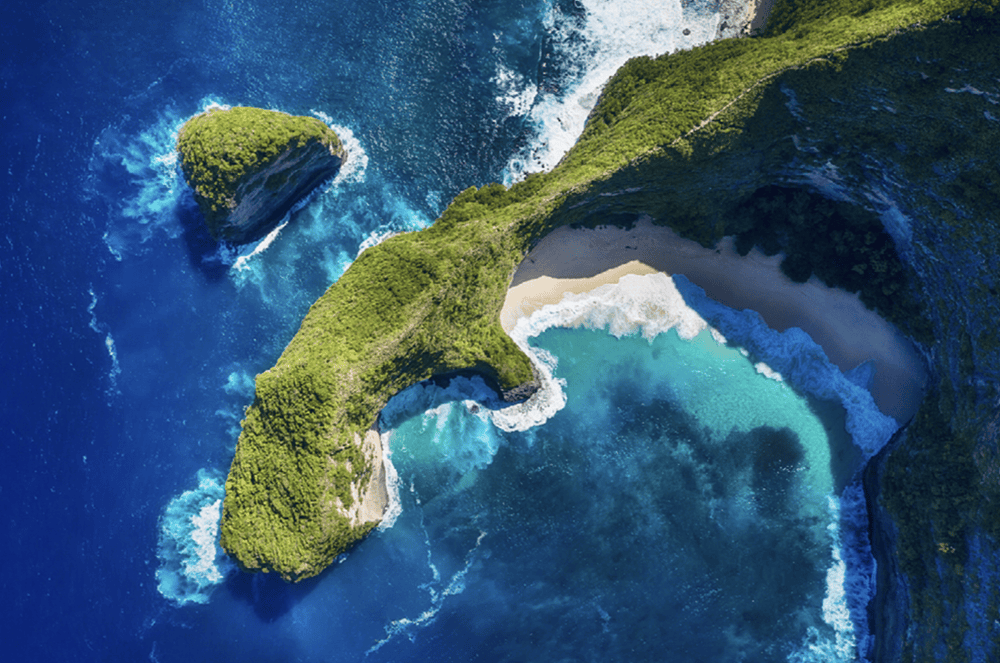
Nusa Penida has built its reputation mostly around its coastline, with cliffside viewpoints like Kelingking and Broken Beach drawing a steady stream of visitors each year. Reaching some of these spots involves steep, uneven paths that take more effort than photos tend to suggest, so comfortable footwear matters more here than on the flatter islands nearby.
Things To Do
Most visitors stick to the coastal route connecting the main viewpoints, which means the farmland and villages further inland stay relatively undisturbed by comparison. Renting a scooter or joining a day tour tends to be the more practical way to cover both sides of the island without spending the whole day in transit.
Island Activities
While the beaches here are perfect for relaxing, the Nusa Islands truly shine when you get out on the water. Beyond scuba diving, the islands offer incredible opportunities for snorkeling with manta rays, catching waves at Lembongan’s reef breaks, or paddleboarding through calm mangrove forests.
For travelers who want to spend time underwater rather than on top of it, working with a local diving center that fits your experience level is generally the more straightforward route, since local operators know current conditions and site access better than anyone arranging trips from Bali’s mainland. Most offer both introductory sessions for newer divers and dedicated trips for those already certified.
Dive Sites Across the Nusa Islands
A handful of dive sites across Nusa Penida, Nusa Lembongan, and Nusa Ceningan come up repeatedly in conversations among divers who’ve spent time in the area. For a broader look at what’s out there, discover Nusa Penida dive sites ranging from calm, shallow reefs to adrenaline-charged drift dives. Each island offers a distinct feel beneath the surface.
Some sites are known for calmer, shallower conditions suited to less experienced divers, while others involve thrilling drift dives, stronger currents, and colder water linked to seasonal upwellings. Whether you’re hoping to spot graceful manta rays or searching for the elusive Mola Mola, timing, luck, and picking the right island all play a role in what you’ll see on a given day.
Blue Corner (Nusa Lembongan)
Located off the northwest coast of Nusa Lembongan, Blue Corner is a famous, high-adrenaline site featuring a sloping reef that drops into a steep vertical wall with a deep overhang.
- Experience Level: Strictly advanced and highly experienced divers only.
- Conditions: Exposed to unpredictable, powerful currents that can push both horizontally and vertically.
- Marine Life: Marble rays, eagle rays, reef sharks, giant trevally, and in-season Mola Mola (Oceanic Sunfish).
Mangrove Point (Nusa Lembongan)
Situated on the north side of Nusa Lembongan right in front of the island’s mangrove forest, this site offers one of the healthiest, nutrient-rich coral reefs in the area.
- Experience Level: Suitable for all certification levels.
- Conditions: Typically a relaxing, gently descending drift dive.
- Marine Life: Sea turtles, dolphins, lionfish, vibrant corals, and countless tropical reef fish.
Crystal Bay (Nusa Penida)
Arguably the most famous dive site in Nusa Penida, Crystal Bay is renowned globally as one of the best places to spot the elusive Mola Mola during the dry season.
- Experience Level: Best suited for advanced divers due to exceptionally powerful currents just outside the bay.
- Conditions: Known for incredibly clear water, but also extreme cold thermoclines that can drop to 15°C (59°F).
- Marine Life: Mola Mola (in season), beautiful hard corals, and diverse reef inhabitants.
Batu Nunggul (Nusa Penida)
Also known as Sampalan, this site on the east coast of Nusa Penida is a vibrant drift dive famous for its extraordinary diversity of corals and massive barrel sponges.
- Experience Level: Generally accessible, though the exact entry point depends on daily conditions.
- Conditions: Moderate but frequently shifting currents.
- Marine Life: Hawksbill turtles, eagle rays, juvenile sharks, and macro life like frogfish and nudibranchs.
Karang Sari (Nusa Penida)
Located on the less-visited eastern coast just in front of the sacred Goa Giri Putri cave, Karang Sari features a shallow coral plateau that drops off into a stunning, steep wall.
- Experience Level: Suitable for most levels, depending on the day’s current.
- Conditions: A classic wall dive looking out into the deep blue.
- Marine Life: Dense hard and soft corals, large sea fans, nudibranchs, and a chance to spot passing pelagics or reef sharks.
Manta Point (Nusa Penida)
Situated on the exposed southwest coast beneath towering limestone cliffs, Manta Point is a bucket-list dive for encountering majestic reef manta rays at their cleaning stations.
- Experience Level: Accessible to beginners under the right conditions due to relatively shallow depths (10-18 meters).
- Conditions: Exposed to the open ocean, meaning it often has a strong surge and cooler waters.
- Marine Life: Manta rays, blue-spotted stingrays, bamboo sharks, and octopus.
What to Prepare for a Dive
Getting ready for a dive around the Nusa Islands looks a little different depending on which stretch of water someone plans to explore, since conditions around Nusa Penida and the channel between Lembongan and Ceningan don’t always call for the same approach. A few areas of preparation come up regardless of which side of the islands a diver ends up on.
Certification and Comfort Level
Several sites off Nusa Penida involve stronger current and cooler water, which generally suits divers who are already certified and comfortable managing changing conditions mid-dive.
Matching Gear to Local Conditions
Water temperature around Nusa Penida can drop noticeably during upwelling season, so a thicker wetsuit is worth having on hand even in a tropical setting.
Timing Around Currents and Tides
Dive timing near Nusa Penida often depends on current windows, with operators adjusting schedules around specific points in the tide.
Basic Health and Sun Preparation
A light meal, enough sleep, and avoiding alcohol beforehand apply equally whether the dive is off Penida or closer to Lembongan.
Wrapping Up
The Nusa Islands pack a surprising range of experiences into a fairly small stretch of ocean, from reef breaks suited to experienced surfers to cliffside viewpoints and dive sites that shift with the season. Getting the timing, gear, and logistics right makes the difference between a rushed visit and one that actually covers what each island offers. Whether the goal is chasing swell, exploring the coastline, or spending time underwater, a bit of planning ahead of the trip tends to go a long way here.