
How to Create a Relaxing Post-Surf Sanctuary in Your Coastal Home
Surfing offers an unmatched connection to the ocean, but there is no denying the profound physical toll it takes on your body. After a long session in pumping waves, that familiar feeling of heavy exhaustion is incredibly satisfying. However, to truly reap the benefits of your time in the water, your post-surf recovery must be taken just as seriously as your warm-up routine. Transforming a specific part of your coastal home into a dedicated relaxation zone allows you to recharge properly, nurturing both your physical muscles and your mental wellbeing.
Understanding the Physical Demands of the Water
Sports science reveals that surfers spend up to 54 per cent of their total time in the water aggressively paddling. This intense activity turns even a casual morning session into a highly taxing upper-body and core workout. Depending on the wave conditions, an hour of surfing can burn between 500 and 650 calories. It effectively acts as a form of high-intensity interval training that deeply depletes your muscle energy reserves and strains your joints.
Because of this extreme exertion, immediate post-session rest is critical. Your heart rate is frequently pushed into maximum-effort thresholds during heavy paddle-outs and intense rides. Physical therapists note that the deltoids and latissimus dorsi muscles take the heaviest load in the ocean. Taking time to sit and recover helps lower cortisol levels, flushes metabolic waste from the bloodstream, and prevents delayed-onset muscle soreness from ruining your next day in the surf.
Centering Your Space Around Deep Recovery
To facilitate this vital physical recovery, your living area needs to prioritise ergonomic support and genuine comfort above all else. Modern recovery lounges and wellness spaces increasingly invest in deep-seating furniture, as comfortable lounging is scientifically linked to improved parasympathetic nervous system activation. When your body is fully supported in a relaxed posture, it shifts effortlessly from a state of high exertion into a state of cellular healing.
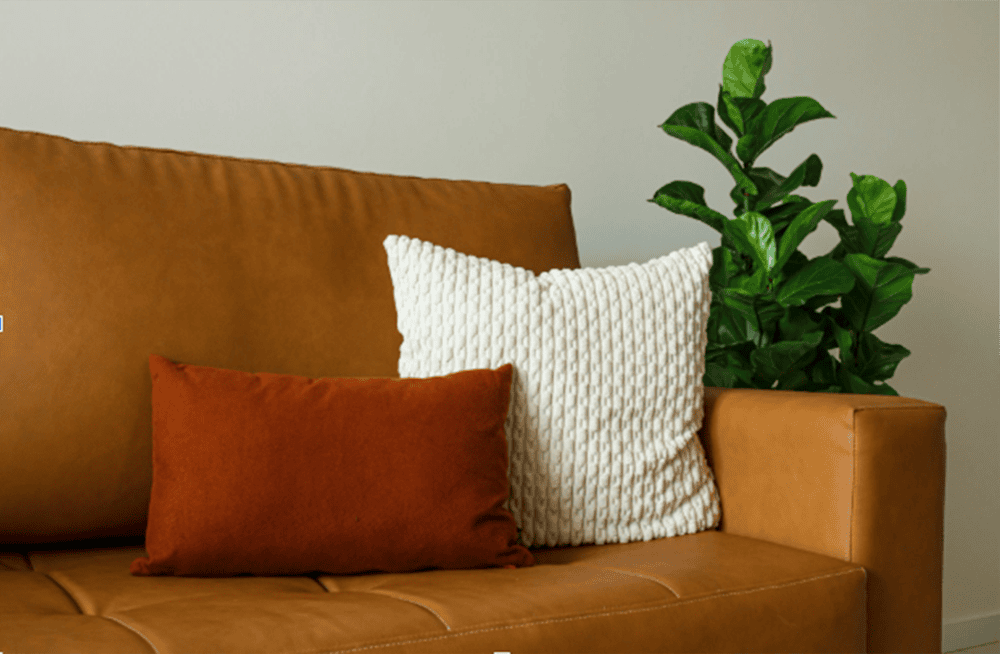
Creating this healing environment starts with the largest and most important piece of furniture in the room. Choosing a supportive, deep-set sofa provides the perfect anchor for your post-surf chill zone. This central resting spot needs to be deliberately chosen to cradle fatigued muscles while allowing you to stretch out completely after peeling off your damp wetsuit. Investing in quality seating transforms an ordinary lounge room into a functional recovery clinic right in your own home.
When designing your recovery space, the layout of the room is just as important as the furniture you select. An open floor plan encourages better airflow and natural light, both of which are essential for maintaining a positive mindset after physical exhaustion. Arrange your seating to face a natural focal point, such as a large window overlooking the garden, to help quiet the mind. Keep essential recovery tools like foam rollers and massage guns within easy reach, perhaps stored in an elegant timber console or woven basket. This ensures your relaxation zone remains clutter-free while meeting all your post-workout needs.
Embracing 2026 Coastal Interior Trends
Modern Australian coastal interiors have officially moved away from kitschy nautical themes like anchor prints and shell motifs. Instead, current aesthetics favour refined, architectural spaces that emphasise an effortless flow between the indoors and outdoors. Biophilic design now dominates coastal homes, integrating raw, tactile materials that recreate the natural warmth of the beach environment inside your house.
To bring this updated coastal vibe into your personal recovery sanctuary, consider incorporating these key design elements:
- Earthy Materials: Use light-toned native timbers, textured jute rugs, and breathable linen throws to mimic the rugged beauty of the surrounding landscape.
- Serene Colour Palettes: Ditch the stark navy blues for soft seafoam greens, warm whites, and sandy neutrals that promote an immediate sense of calm.
- Organic Shapes: Choose seating and decor featuring gentle curves rather than rigid, mass-produced angles to make the space feel authentically lived-in and welcoming.
- Uncluttered Spatial Flow: Leave deliberate breathing room around heavy living room furniture to evoke the wide-open, expansive psychological feeling of the coastline.
Practicality Meets Mental Wellbeing
A true coastal sanctuary must be as functional as it is beautiful. Sustainable and highly durable upholstery has become a non-negotiable standard for coastal living rooms across Australia. Performance fabrics allow tired surfers to transition easily from the beach to their relaxation zones without constantly worrying about salt water or stray sand damage ruining delicate materials. Slipcovers that can be easily removed and washed are particularly popular among avid wave riders.
Beyond the physical benefits of a good rest, active surf therapy organisations like Australia’s Waves of Wellness Foundation consistently highlight the importance of dedicated safe spaces. Having deliberate downtime out of the water is absolutely essential to reducing overall life stress and building long-term mental resilience. The simple act of resting in a beautifully curated space reinforces a positive loop of self-care and relaxation.
By blending aesthetic coastal decor with highly functional, deep-set seating, you are not just decorating a room. You are building a purposeful hybrid recovery zone designed specifically for resting a fatigued body and quieting a busy mind. Ultimately, the perfect post-surf home environment is one that welcomes you back with open arms, ready to restore your energy for the next swell.