
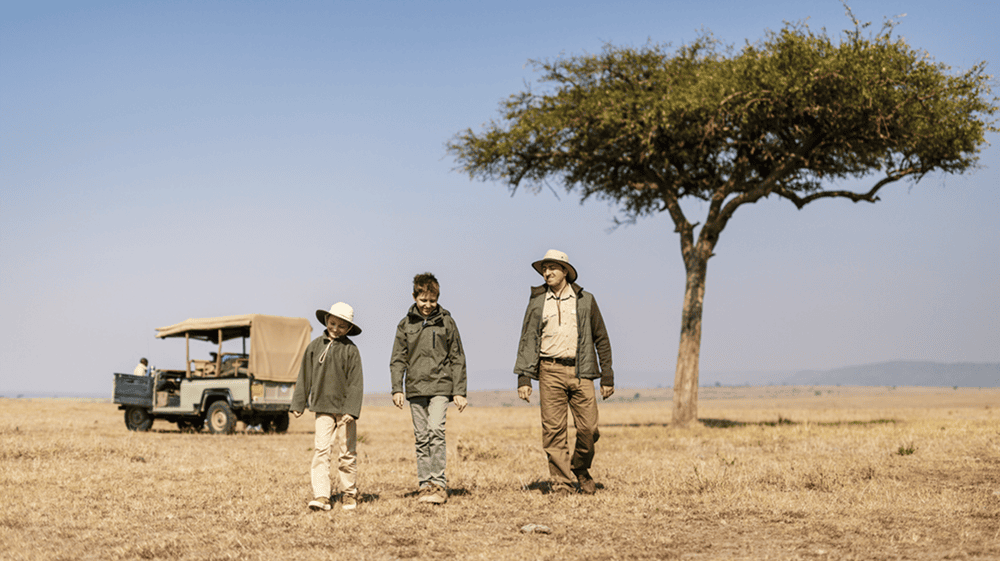
What Age Is Right for a Tanzania Family Safari? A Parent’s Honest Guide
Planning a Tanzania family safari is an exciting way to create unforgettable memories together. From spotting elephants and lions in the wild to enjoying beautiful landscapes, a safari offers experiences that children and adults can enjoy side by side.
At the same time, many parents wonder whether their kids are old enough for the adventure and how to make the trip comfortable for everyone. The good news is that with the right planning, family-friendly safari tours can be both fun and stress-free. This guide will help you understand the best age for a safari, what to expect, and how to plan a successful Tanzania safari with kids.
Choosing the Ideal Age for a Tanzania Family Safari
Tanzania is big, beautiful, and wonderfully dramatic. One day, you may watch elephants wander across the road. Next, you could see giraffes gliding past acacia trees like they own the place. The Serengeti, Ngorongoro Crater, Tarangire, and Lake Manyara each have their own rhythm, which means the “right” age depends on more than a number.
Your child’s stamina matters. So does attention span, comfort with early mornings, and the ability to follow safety instructions. For many families, the best family safari are not the ones with the longest checklist. They are the ones with space to rest, wonder, and change plans when real family life kicks in.
Age Groups Breakdown for Tanzania Safari with Kids
Parents often search for the best age for safari in Tanzania, hoping for one neat answer. The honest answer? It depends on your child. Some five-year-olds can sit quietly during a sighting. Some ten-year-olds need snacks, movement, and a running commentary. That is not failure. That is parenting.
Age group | What usually works | What to watch |
Infants and toddlers | Short lodge stays, pool time, flexible meals | Heat, malaria risk, long drives |
Young children | Short game drives, animal checklists, Maasai visits | Early mornings and boredom |
Tweens | Tracking lessons, photography, nature journals | Screen withdrawal and fatigue |
Teens | Longer drives, conservation talks, cultural time | Keeping it active and social |
Medical, Safety, and Lodge Rules by Age
Every safari camp has its own rules. Some set minimum ages for shared game drives, walking safaris, or stays in unfenced areas. Others welcome younger children if you book a private vehicle. This is worth checking early, not after you have fallen in love with a camp’s photos.
Once you have matched the trip to your child’s stage, look at the practical side. Speak with a travel doctor well before departure about vaccines, malaria prevention, insect repellent, and safe food habits. It may not be the glamorous part of planning, but it can make the whole trip feel calmer.
Tanzania Family Safari Destinations and Lodges That Welcome Kids
After age, health, and safety are sorted, your route becomes the next big decision. A smart route can save everyone’s mood. Sometimes, fewer parks and shorter drives create a better family safari than trying to squeeze in every famous name.
For a relaxed Tanzania safari with kids, many families do well combining Tarangire’s elephants with Ngorongoro’s powerful wildlife viewing. The Serengeti is extraordinary, of course, but younger kids may need internal flights or longer lodge breaks to manage the distance comfortably.
Top Child-Friendly Safari Lodges and Camps
A destination may be family-friendly, but the lodge is what shapes your daily routine. Look for fenced grounds, family tents or connecting rooms, flexible meal times, swimming pools, and guides who genuinely enjoy children’s questions. You will know the difference quickly.
A strong family camp does more than “allow” kids. It plans around them. That can mean shorter drives, clear safety briefings, extra water in the vehicle, shaded rest stops, and staff who understand that bedtime sometimes wins over one more leopard sighting.
Best Family Safari Itineraries for Different Ages
Once you have a few suitable lodges in mind, turn the dream into a schedule your family can actually enjoy. Young children often do better with two bases, later starts, and one main activity per day. Simple is not boring. Simple is often brilliant.
For families considering Tanzania family safaris, tweens and teens can usually manage a longer loop that includes the Serengeti, bush breakfasts, wildlife photography, and a village visit. Ask about private vehicles, too. They make snack breaks, bathroom stops, and “we are done now” moments much easier to handle.
Essential Family Safari Tips Tanzania Parents Swear By
Even the best itinerary comes down to ordinary little things: snacks, naps, patience, and keeping kids busy between sightings. When parents share family safari tips, Tanzania travelers tend to repeat the same advice: slow down, pack wisely, and do not turn the trip into a race to see every animal.
Comfort is becoming a bigger part of family travel, too. Premium family travel offerings, including luxury safari lodges and curated heritage tours, are growing at rates exceeding 11% annually. In plain terms, more operators are designing trips for families, not just adults who happen to bring children along.
Keeping Kids Engaged and Safe in the Wild
With a little preparation, kids are more likely to stay curious, and you are more likely to stay relaxed when the wild gets unpredictable. Give each child a job. One can be the photographer. Another can be the animal spotter, map reader, or snack captain. Small roles work wonders.
Pack neutral clothing layers, hats, sunscreen, binoculars, wipes, motion-sickness support, and quiet entertainment. Before every drive, remind kids to keep their voices low near animals, hands inside the vehicle, and keep their expectations realistic. Safari rewards patience, even if patience is not every child’s favorite hobby.
Managing Expectations and Multigenerational Travel
At some point, the lions will sleep, the zebras will stand very still, and someone will say, “I’m bored.” Completely normal. Safari is not a zoo. Animals do not appear on demand, and waiting is part of the experience.
If grandparents, teens, and little ones are traveling together, build in choices. Some people can rest while others head out for a longer drive. Once you plan for downtime instead of pretending nobody will need it, the whole group feels less tense.
Practical Planning: Family Safari Guide Tanzania Basics
If you can balance different ages and energy levels, you are already doing well. A practical family safari guide in Tanzania approach starts with the operator, then moves into pacing, safety, and responsible travel.
A good safari operator should ask about your children’s ages, sleep routines, food needs, health considerations, and travel style. If someone only pushes a fixed itinerary without asking those questions, that is your cue to keep looking.
Choosing Operators and Ethical Wildlife Experiences
The right operator sets the tone for the entire trip. Ask whether guides are trained to work with families, whether vehicles offer child-friendly seating, and whether cultural visits are respectful rather than staged for quick photos.
Responsible safari travel matters. That means no feeding animals, no crowding wildlife, and no pressuring guides to get dangerously close for a picture. Children notice those choices. In many ways, safari becomes a quiet lesson in respect.
Smart Add-Ons and Do’s and Don’ts
Private vehicles are often worth the cost, especially with young children or grandparents. Conservation visits, tree planting, school visits, craft workshops, and research center stops can also make the journey feel more personal and less like a series of drives.
Do involve kids in planning. Show them animal photos before departure. Pack medicine in carry-ons. Don’t overfill the itinerary, skip rest time, ignore malaria advice, or assume every lodge accepts every age.
Before confirming Tanzania family safaris, check the fine print on child ages, room layouts, transfer times, and emergency procedures. Boring details? Maybe. Important? Absolutely.
Common Questions Parents Ask Before Booking
Even when the plan looks solid, parents usually have a few last questions. Fair enough. These are the ones that tend to come up most often.
Which month is best for a Tanzania family safari with kids of different ages?
Dry-season months are often easier because roads are more reliable and wildlife can be simpler to spot. Shoulder seasons can be quieter and better priced. Match the month to your children’s heat tolerance, school calendar, and patience for possible travel delays.
Can toddlers join game drives, and which parks allow this?
Some lodges allow toddlers on private drives, while shared drives may have stricter age limits. Parks and camps do not always follow the same rules. Ask each lodge directly before booking, especially if the camp is unfenced or the route involves long drives.
Are there malaria-free safari areas in Tanzania for families?
Tanzania is not considered a malaria-free safari country. Families should speak with a travel doctor about prevention, repellents, clothing, and sleeping arrangements. Do not rely only on lodge nets; medical advice should guide your plan.
Last Word on Choosing the Right Age
There is no perfect age, which is strangely reassuring. The right time depends on your child’s stamina, curiosity, health needs, and ability to follow safety rules. Younger kids usually need slower days. Tweens and teens can often handle deeper learning and longer drives. Plan honestly, not ambitiously, and you are more likely to come home with the kind of memories that stick. When Tanzania family safaris are shaped around real family life, the wild feels less overwhelming and far more meaningful.