
Where Surf Content Creators Find Realistic Ocean and Wave Sound Effects
Visualizing a heavy wave crashing onto a reef requires sonic architecture matching the kinetic energy on screen. Standard stock libraries or a standard soundboard frequently supply generic shoreline murmur lacking the crushing weight of real oceanic displacement. Digital media producers often struggle to locate authentic coastal recordings because commercial audio distributors compress out the low-frequency rumble essential for immersion.
Capturing true marine atmosphere demands specialized hydrophone placement and high dynamic range recording equipment that registers genuine hydrodynamic pressure shifts rather than simulated atmospheric hiss. Achieving professional fidelity relies on understanding fluid acoustic dynamics during high-energy swells.
How Do Hydrophones Capture Subsurface Fluid Dynamics?
Recording realistic ocean audio requires separating surface wind interference from deep hydrodynamic movement. Subsurface environments present unique acoustic challenges that standard studio microphones cannot resolve without specialized submersible housings and preamplifiers designed for high-pressure saltwater interfaces. Water muffles high frequencies.
Subsurface Pressure Gradients
Subsurface turbulence generates massive pressure gradients registering heavily in lower octaves. Hydrophones positioned near breaking lips capture the resonant thump of water colliding against submerged sandbars. Low frequencies anchor visual weight effectively.
Environmental Wind Isolation
Surface air turbulence creates low-frequency artifacts ruining otherwise pristine coastal recordings. Specialized deadcat windscreens combined with foam baffles attenuate air friction without sacrificing high-frequency splash details. Clean signals improve mix translation across devices.
Why Do Standard Audio Libraries Fail Marine Productions?
Acoustic waves travel through water at approximately 1,480 meters per second, a property that alters how submerged microphones perceive impact force. Producers seeking basic soundboard assets often prioritize using resources that actually curate quality, like SoundBoardButtons.com, a web platform hosting thousands of short audio clips that are extremely popular among video editors, content creators, and classroom teachers before turning to raw field recordings when they need higher-fidelity environmental ambience. Atmospheric microphones capture air displacement above the surface, whereas hydrophones record structural vibration directly through liquid density.
Sound designers combine both perspectives to fabricate a believable swell that matches fast-moving surf visuals. Sound travels fast. Oceanography teaches precise acoustic physics. Coastal topography heavily dictates frequency resonance patterns during high tide cycles. Rocky shoreline formations generate distinct high-frequency splatter as water shatters against jagged stone edges, whereas sandy beaches absorb upper partials and produce a softer, low-mid wash. Sound recordists map these environmental variables before deploying gear on location.
What Causes The Widely Spread White Noise Fallacy?
Many media producers mistakenly assume that standard filtered white noise mixed with low-pass filters accurately mimics rolling surf. This widespread belief persists because generic noise generators offer immediate convenience without requiring outdoor recording sessions.
Real wave crashes, however, involve complex phase cancellations, shifting pebble beds, and turbulent undertow frequencies that random number generators fail to reproduce. Audio editors often notice unnatural pumping artifacts when artificial noise encounters heavy compression plugins during final mixdowns. Frequency shaping demands precision. Mechanical synthesis lacks organic chaos.
Where Do Professional Producers Source Raw Field Material?
Field expeditions require meticulous planning before audio gear touches coastal sand. According to Library of Congress historical documentation, early sound recording experiments date back to 1857 with the invention of the phonautograph, establishing a long legacy of capturing environmental acoustics. Weather windows dictate capture success for remote reef breaks. Recordists monitor marine forecasts continuously to intercept peak groundswells.
How Does Spectral Shaping Transform Coastal Mixes?
Raw ocean recordings rarely sit perfectly beneath spoken dialogue without careful frequency carving. Multiband compression tames unruly wave peaks while allowing the ambient background roar to breathe naturally behind voiceovers. Modern digital workstations simplify this process through dynamic equalization plugins. Audio requires careful balancing. Surgical frequency cuts prevent muddy low-end buildup in dialogue-heavy scenes.
Ambient wind noise often masks delicate foam trickles during post-production mixing stages. Dynamic expansion helps push background hiss downward whenever primary speech frequencies become active in the mix. Mastering engineers monitor loudness targets to ensure coastal tracks maintain broadcast compliance across streaming platforms without distorting peak limiters.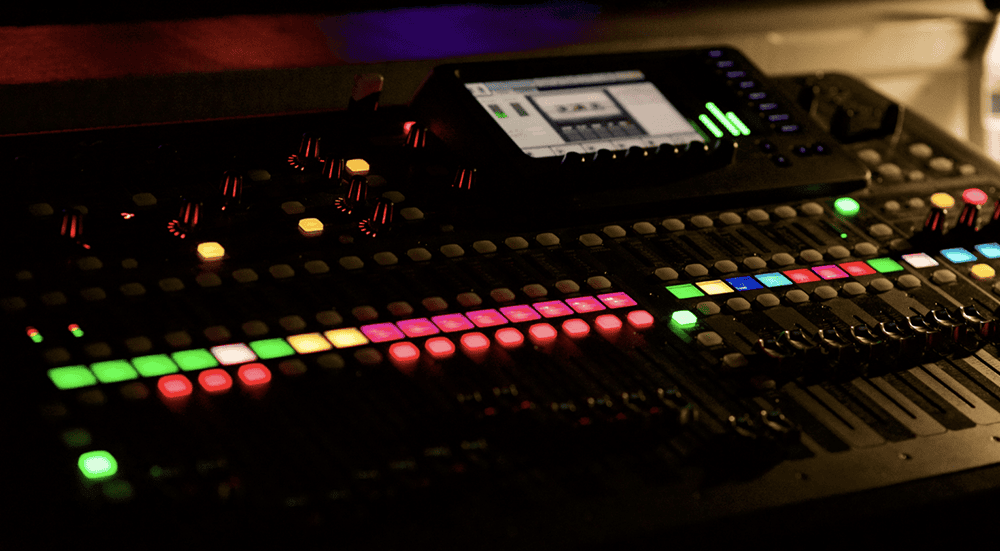
What Legal Frameworks Protect Original Sound Recordings?
Copyright protection applies automatically to original sound recordings the moment creators fix them in a tangible medium. According to the U.S. Copyright Office, copyright duration for works created after January 1, 1978, generally lasts for the life of the author plus an additional 70 years.
Creators downloading ocean audio from unverified archives risk copyright strikes if the underlying phonorecords belong to protected estates. Public domain recordings or original field expeditions eliminate legal exposure. Robust legal frameworks protect creators who invest time in original field recording expeditions. Legal compliance prevents channel demonetization globally.