
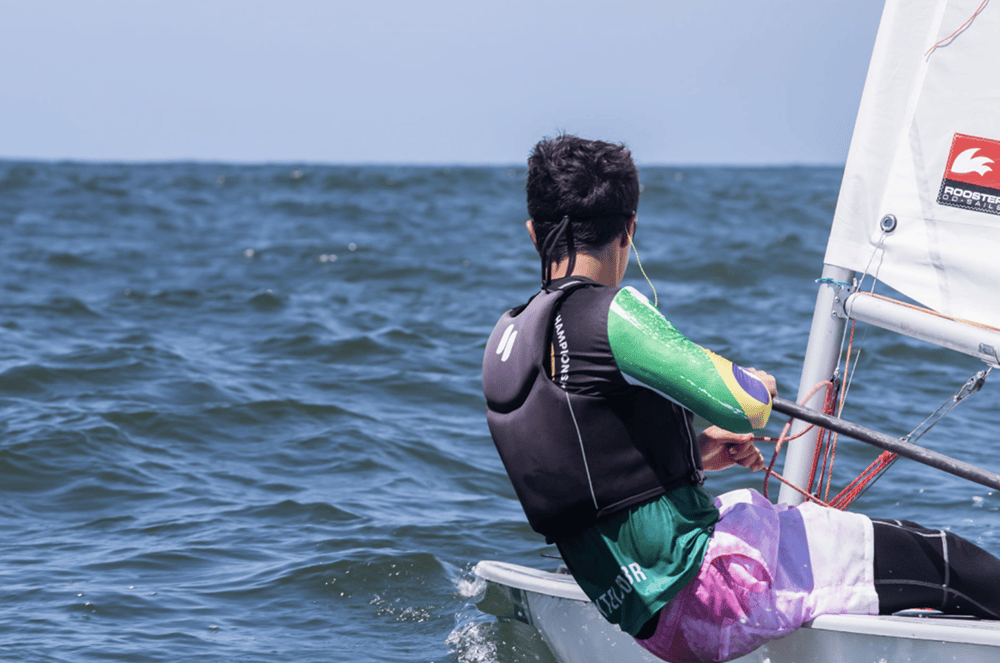
Windsurfing vs Kitesurfing: Which Is the Safer Option for a Short Spring Break?
Read our windsurfing vs kitesurfing comparison to see which water sport is safer and much easier to master over a short spring break.
Which Side of the Windsurfing vs Kitesurfing Rivalry is Actually Safer for Students Trying to Learn Over a Short Spring Break?
Spring break is the perfect moment to leave your textbooks behind, head to the ocean, and experience something entirely new. However, if you’re looking out at the water and trying to choose between windsurfing vs kitesurfing, personal safety is likely on your mind. No one wants to spend the remainder of their long-awaited vacation lying on the beach with a broken ankle or suffering a serious injury.
If you have no more than a few days to learn and enjoy a new sport, each hour counts. If you also have a few assignments to do during the break but don’t want to break your vacation plans, you can use some backup. The helpful graduate paper writing service platform lets you place your orders directly and select writers to handle your papers. You can easily get essays on Canadian EssayService to delegate the pending tasks and enjoy riding the waves in peace.
To help you decide whether kitesurfing vs windsurfing is the ideal choice for a quick trip, below we explain which sport is better for beginners. The major difference between windsurfing and kitesurfing is how the gear interacts with the wind. In windsurfing, there is a direct connection between the sail rig and the large board you are standing on. In kitesurfing, a gigantic, detached kite flies up to 80 feet in the air to propel you over the water.
For a short spring break vacation, windsurfing is the safest alternative by far. If you lose your balance while windsurfing, you can simply release the sail and it drops safely onto the surface without causing any harm. It ceases to move immediately. Kitesurfing is different because you’re securely strapped to a harness that is attached to a powerful kite. If a huge, sudden gust of wind hits it, the extra power may lift an inexperienced beginner right out of the water.
The difficulty of the learning curve also determines how soon you can safely get out on the water. Is kitesurfing or windsurfing easier to learn? Just as with the gear differences, windsurfing can definitely be picked up much quicker. It usually takes just a few hours to start riding, compared to the days of practice needed just to control a kite.
Quick Windsurfing vs Kitesurfing Comparison for Beginners
- Windsurfing: Offers slower falls, stops immediately when you lower the sail, provides simple self-rescue options, and carries zero risk of lifting you into the air.
- Kitesurfing: Has high-speed dragging risks, requires learning how to manage complex emergency release systems, and demands days of practice before you even touch the board.
The difference in setup and learning makes it very clear why windsurfing is better than kitesurfing during a brief vacation. Picking windsurfing means that you’ll likely be balancing and moving around in less than two hours. Kitesurfing, on the other hand, requires a lot of intense ground practice just to learn to fly your kite before even touching the water.
Windsurfing can offer you a more controlled environment where a mistake usually just means getting a little wetter. So, if you’re looking to make the most out of your spring break and get back to school in one piece, choose windsurfing.