
Post-Workout Recovery: What Your Body Needs After Exercise
A tough workout can feel amazing in the moment. Then the next morning arrives, and suddenly stairs look personal. Sore muscles, low energy, and restless sleep can all slow the progress you worked hard for. That is why post-workout recovery is not something to tack on later. It is part of the training itself.
After exercise, your body starts repairing tissue, restoring fuel, and calming down from physical stress. Good muscle recovery after a workout comes from a mix of food, hydration, sleep, light movement, and the right recovery tools. Keep it simple, and your body usually responds better than you expect.
The Essentials Your Body Needs After Training
Once your workout ends, your body needs support. Not perfection. Support. It needs nutrients, fluids, and enough calm time to shift from “go mode” into repair mode.
“Eleven out of 13 studies reported significant improvements in physical fitness (e.g., … VO₂max, lactate threshold, blood pressure) in trained … and untrained individuals …” despite recovery type.
Food Comes Before Guesswork
If you are asking what to eat after exercise, start with protein and carbohydrates. Protein supports muscle repair, while carbs restore energy used during training.
The best post-workout nutrition can be simple: Greek yogurt with berries, eggs with toast, chicken and rice, or a protein smoothie.
Relaxation Has a Real Place
Post-workout recovery also involves helping your body relax.
Adding the best full body massage chair to your at-home recovery routine can support relaxation after lifting, running, cycling, or long hours on your feet.
Useful features include body scanning, heat, zero-gravity positioning, and adjustable pressure.
Hydration Keeps Recovery Moving
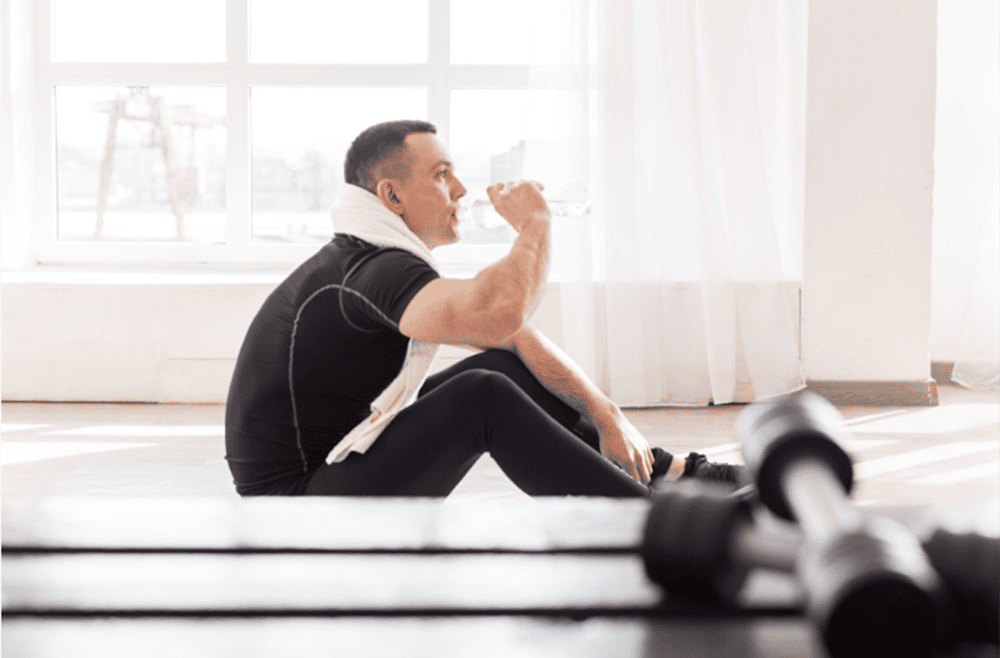
Water supports blood flow, temperature regulation, and nutrient delivery after exercise.
If you sweat heavily, consider electrolytes from coconut water or a low-sugar sports drink. Pale yellow urine is a simple sign that hydration is generally on track.
With food, fluids, and relaxation covered, the next step is managing soreness without adding more stress.
Simple Ways to Speed Soreness Relief
When the basics are covered, gentle movement can help. Not another brutal session. Just enough motion to get blood moving and reduce that stiff, heavy feeling.
Use Active Recovery, Not More Punishment
A relaxed walk, easy swim, slow bike ride, or short mobility session can work well. Keep the effort light enough that you could talk without gasping.
“Active recovery (51%), stretching (47%) and additional sleep (32%)” were the most frequently used recovery strategies during normal training weeks among triathletes; “foam rolling (35%), massage guns (20%) and compression garments (19%)” were the most commonly used recovery devices.
Stretch Where You’re Tight
Stretching will not magically erase soreness. Still, it can help you feel less stiff after a hard session.
Focus on areas that actually feel restricted. Try hip flexor stretches after running, chest openers after pressing, or calf stretches after jumping. Move slowly. Do not force pain. That rarely ends well.
Use Tools With a Purpose
Foam rollers and massage guns can help when used gently. Too much pressure may irritate already sore muscles.
A massage chair can also be useful on low-energy days, offering an easy way to relax without adding more effort.
As soreness fades, deeper repair continues during rest.
Sleep, Rest, and Nervous System Reset
Exercise stresses more than your muscles. It also affects joints, connective tissue, hormones, and your nervous system. Rest helps bring everything back into balance.
Sleep Is Repair Time
Deep sleep supports muscle repair and recovery. If you regularly cut sleep short, muscle recovery after a workout can feel slower, even with good nutrition.
Keep a consistent bedtime, a cool room, and less screen time before sleep.
Don’t Ignore Mental Recovery
Work and daily stress can keep your body tense after exercise. Breathwork, meditation, prayer, or gentle stretching can help you unwind.
If you are learning how to recover after exercise, mental recovery matters too. A calmer nervous system can support better sleep and less tension.
Track Patterns, Not Every Detail
Wearables can help track sleep, heart rate, and recovery trends, but do not rely on numbers alone.
If you feel exhausted, listen to your body. Good sleep creates the foundation for better recovery.
Recovery Methods That Go Beyond the Basics
Once food, water, movement, and sleep are consistent, recovery tools can add comfort. The key is choosing methods that match your workout and how your body responds.
Contrast Therapy and Cold Exposure
Cold showers, ice baths, and contrast bathing may help reduce post-workout soreness.
They may suit endurance or high-fatigue training, but strength athletes focused on muscle growth should use cold exposure more carefully.
Massage Chairs and Hands-Free Recovery
The best full-body massage chair can help ease tightness and support relaxation after training.
Features like body scanning, heat, and chiropractor-informed design can make sessions feel more personalized without replacing sleep or nutrition.
Recovery Method Comparison
Method | Best For | Watch Out For |
Active recovery | Stiff legs, light soreness | Going too hard |
Cold exposure | Heat, swelling, heavy fatigue | Feeling tighter afterward |
Massage chair | Tight back, hips, calves, stress | Too much pressure |
Sleep | Full-body repair | Poor bedtime habits |
Helpful tools are great, but they cannot outwork poor nutrition. That is where many people accidentally slow themselves down.
Common Food Mistakes After Exercise
Post-workout nutrition does not need to be complicated, but a few habits can slow recovery.
Skipping Protein
Protein helps muscles repair after exercise. Include options like eggs, tofu, tuna, cottage cheese, turkey, or a protein shake in your next meal.
Avoiding Carbs
Carbs help restore muscle energy after lifting, running, cycling, or intense workouts. Choose foods like oats, rice, potatoes, fruit, or whole grains.
Overusing Supplements
Protein powders, creatine, collagen, and similar supplements can help, but they should not replace balanced meals, hydration, and sleep. Start with the basics first.
Long-Term Habits That Make Recovery Stick
The best recovery plan is the one you can follow when life gets busy. Keep it realistic, flexible, and connected to the way you train.
Build a Repeatable Routine
After each workout, follow a simple order: drink, eat, move lightly, and rest. That rhythm removes decision fatigue when you are tired.
For post-workout recovery, consistency beats chasing every trend. A basic plan done often wins over a perfect plan done once.
Match Recovery to Workout Type
After lifting, prioritize protein, carbs, sleep, and gentle mobility. After endurance work, hydration and carbs usually need extra attention.
After intense conditioning, your body may need quiet time and an earlier bedtime. Pay attention to the kind of fatigue you feel.
Use Recovery Aids Safely
Tart cherry juice may help some people with soreness. Turmeric and CBD are popular, but quality and tolerance vary.
Check labels, start small, and speak with a healthcare professional if you take medication or have a medical condition.
Your Post-Workout Action Plan
A useful recovery checklist should feel simple, not like homework.
Right After Training
Drink water and cool down with easy movement. If walking helps you feel better, do not collapse on the floor for too long.
Take a few slow breaths before leaving the gym. That small pause can help your body settle faster.
Your Next Meal
Include protein, carbs, and colorful plants when possible. A burrito bowl, salmon with potatoes, tofu stir-fry, or yogurt parfait all works.
The best post workout nutrition is the meal that fits your schedule and supports your goal.
Later That Day
Do short mobility work, take a warm shower, or use massage if you feel tight. Then protect your bedtime.
If soreness feels sharp, unusual, or keeps getting worse, back off and reassess. Recovery should help, not hide a real problem.
Final Thoughts on Post-Workout Recovery
Recovery is not extra credit. It is where your training turns into progress. Eat well, hydrate, move gently, sleep deeply, and use recovery tools that make sense for your body. Start small and stay consistent. Train hard, absolutely, but recover with intention, because that is where strength really takes root.
Real Questions About Recovery After Exercise
What helps your body recover after a workout?
Food, water, sleep, light movement, and stress reduction help most. Protein repairs muscle, carbs refill energy, fluids restore balance, and rest gives your body time to rebuild. Massage and stretching can help with tightness too.
What not to do after exercise?
Don’t skip fluids, delay food for too long, drink heavily, or jump straight into another hard session. Avoid aggressive stretching when muscles feel strained. Also, don’t ignore sharp pain that feels different from normal soreness.
How long does muscle recovery take?
It depends on workout intensity, sleep, age, nutrition, and fitness level. Light sessions may feel fine quickly, while heavy lifting or long endurance work can take longer. If soreness keeps worsening, rest and reassess.