
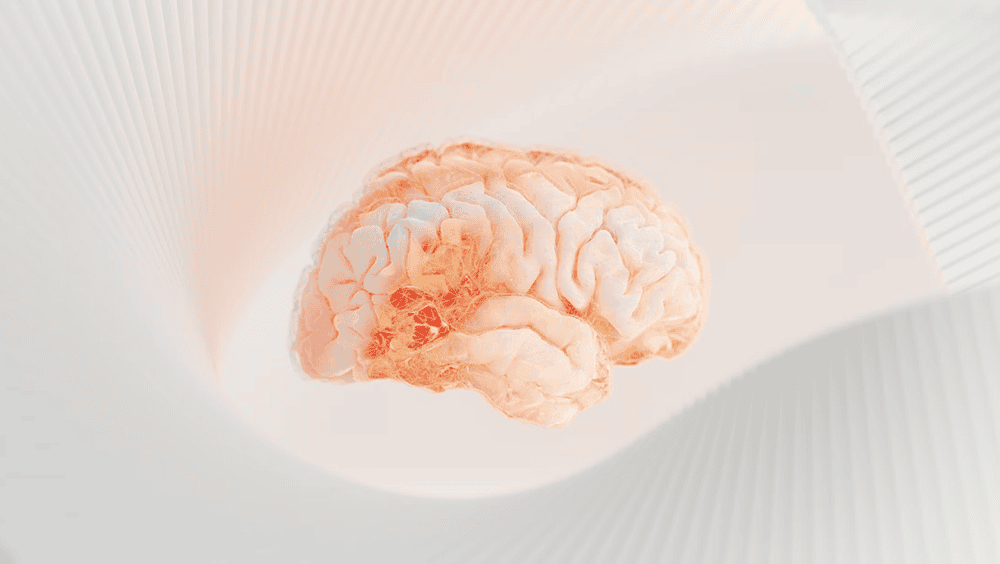
How Modern Neuroscience Helps Us Better Understand Mental Disorders
For most of human history, mental health conditions were shrouded in mystery, confusion, and misunderstanding. When someone experienced severe anxiety, deep depression, or unexplainable mood shifts, society often chalked it up to a lack of willpower, emotional weakness, or a character flaw. Because you cannot see a person’s thoughts, emotions, or psychological pain with the naked eye, these invisible struggles were frequently met with judgment rather than medical empathy.
Fortunately, modern technology has revolutionized our ability to study the human mind. Advanced scientific tools now allow researchers and clinicians to peak inside the skull and observe the physical brain at work in real time. This technological leap has transformed our entire approach to mental well-being. Modern brain science bridges the historical gap between mind and body, demonstrating that mental disorders are genuine biological conditions. By revealing the physical mechanisms behind emotional distress, neuroscience offers clearer answers, more effective care, and a deeper sense of self-compassion for millions of people worldwide.
How Science Maps the Brain
In the past, popular culture simplified complex emotional struggles into a basic concept known as a chemical imbalance. While brain chemistry certainly plays a key role, modern neuroscience shows that the full picture is far richer and more intricate. Today, advanced brain scanning tools allow scientists to watch neural activity while a person feels fear, joy, stress, or sadness. Instead of viewing the brain as a single organ, researchers now map it as a vast, highly dynamic network of interconnected highways.
These complex neural pathways rely on electric signals and chemical messengers to pass information across different specialized brain regions. When these communication highways experience traffic jams, misfires, or altered wiring, our thoughts, emotional reactions, and daily behaviors change accordingly. Seeing these distinct physical patterns on a computer screen provides real biological proof that mental health struggles are tangible. This visual evidence strips away self-blame, validating the lived experience of anyone who has ever felt ashamed of their mental health challenges.
What Brain Science Tells Us About Anxiety and Depression
Brain research offers clear, logical explanations for conditions that once felt unpredictable and terrifying. Consider anxiety, for example. Rather than simple overthinking, neuroscience reveals that chronic anxiety stems from an overactive alarm system in the brain, particularly in a small structure called the amygdala. When this internal fear center stays stuck on high alert, your body pumps out stress hormones regardless of whether real danger exists. Checking the Liven app review can help individuals discover accessible tools that track these emotional responses, making it easier to notice how stress impacts daily mood patterns over time.
Similarly, neuroscience provides a new lens for understanding depression. Rather than viewing depression as lingering sadness, brain imaging shows that it dampens the reward pathways of the brain. When these circuits slow down, activities that usually bring pleasure no longer trigger the release of feel-good neurochemicals, making it physically exhausting to “just cheer up” or “look on the bright side.” Furthermore, prolonged exposure to severe stress physically alters these brain pathways, making emotional balance trickier to maintain without proper support, rest, and intervention.
How the Brain Can Change and Heal
Perhaps the most encouraging discovery in modern brain science is a principle known as neuroplasticity. For decades, scientists believed that the adult brain was fixed and unchangeable. We now know that the brain possesses an astonishing lifelong capacity to grow, adapt, build new pathways, and reorganize its existing connections. No matter your age or background, your brain retains the capacity to learn new ways of processing emotions and responding to life’s challenges.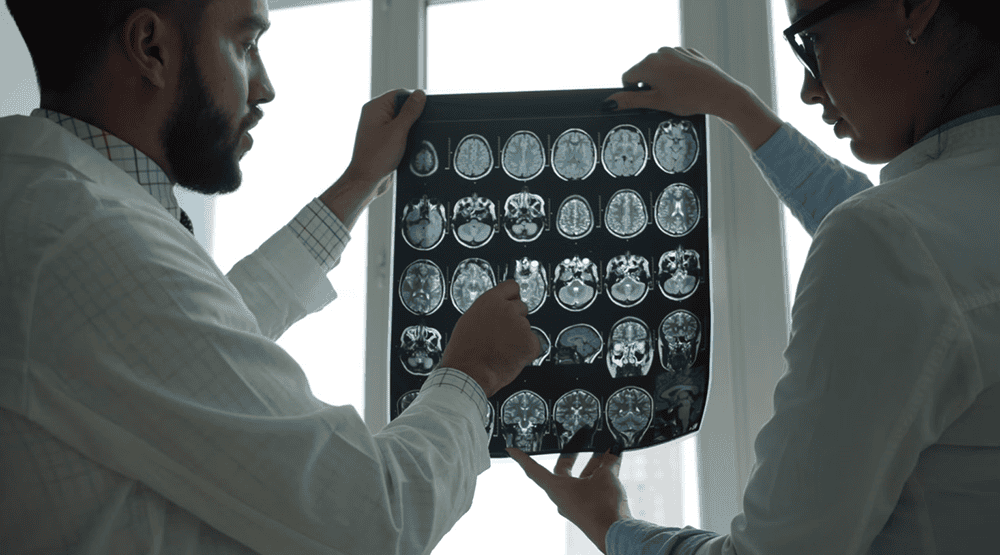
This incredible adaptability means that healing is a physical reality. When you participate in talk therapy, practice mindfulness, or establish healthy daily routines, you are not merely engaging in feel-good activities; you are actively reshaping your physical brain circuits. Over time, practicing positive coping strategies strengthens healthy neural pathways while allowing old, stress-inducing highways to weaken. This understanding enables researchers to design smarter, highly tailored treatments that fit how your specific brain operates, opening up more effective paths toward recovery.
Using Brain Science in Daily Life
Understanding the basics of neuroscience provides a powerful tool for your personal self-care toolkit. When you recognize that an anxiety attack or a period of burnout is a physical brain reaction, you can step back and observe your thoughts with calm curiosity instead of self-judgment. Instead of asking “What is wrong with me?”, you begin to ask “What is my nervous system trying to tell me right now?”
You can actively support your neural health through simple, consistent daily actions. Prioritizing quality sleep, moving your body regularly, eating nourishing foods, and taking intentional mental breaks directly support healthy neural communication and lower systemic stress. On a societal level, viewing mental health through a scientific lens dismantles harmful social stigma. When we accept that mental conditions are biological, we begin treating mental health with the exact same respect, care, and seriousness as any physical illness.
Final Word: Hope for a Healthier Mind
Modern neuroscience offers a message of profound hope, clarity, and empowerment. It proves beyond a shadow of a doubt that mental health struggles are biological, real, deeply human, and fundamentally treatable.
Understanding the inner workings of your brain does not reduce your emotions to cold biological formulas; instead, it hands you the master key to your own growth and healing. As science continues to uncover the wonders of the human mind, we gain better tools to navigate our internal worlds with grace and confidence. Treat your mental health with the same patience, care, and respect that you give your physical body, and remember that your brain possesses an extraordinary capacity to heal and thrive.